What device teardowns reveal about e-waste
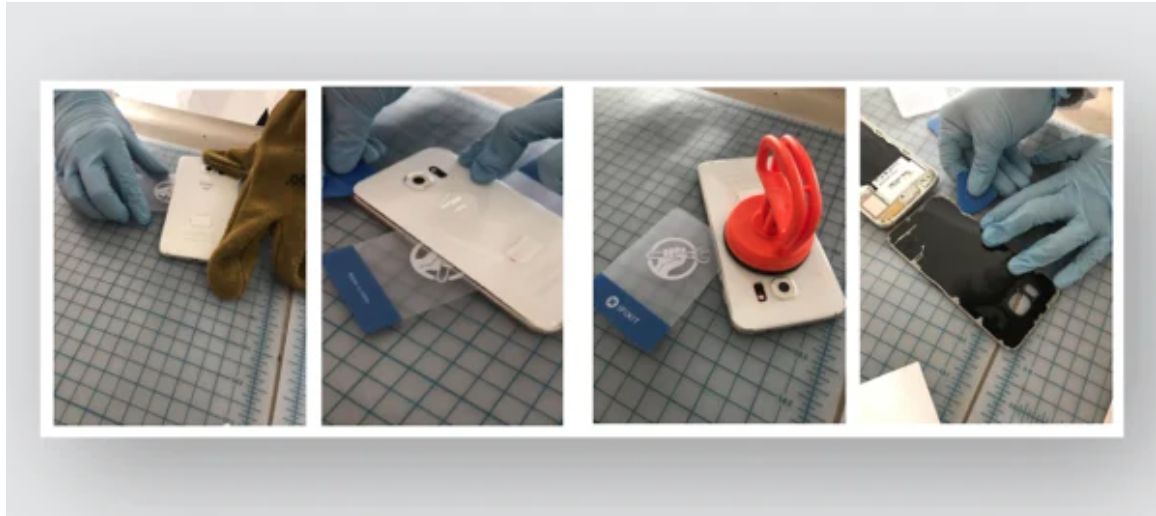
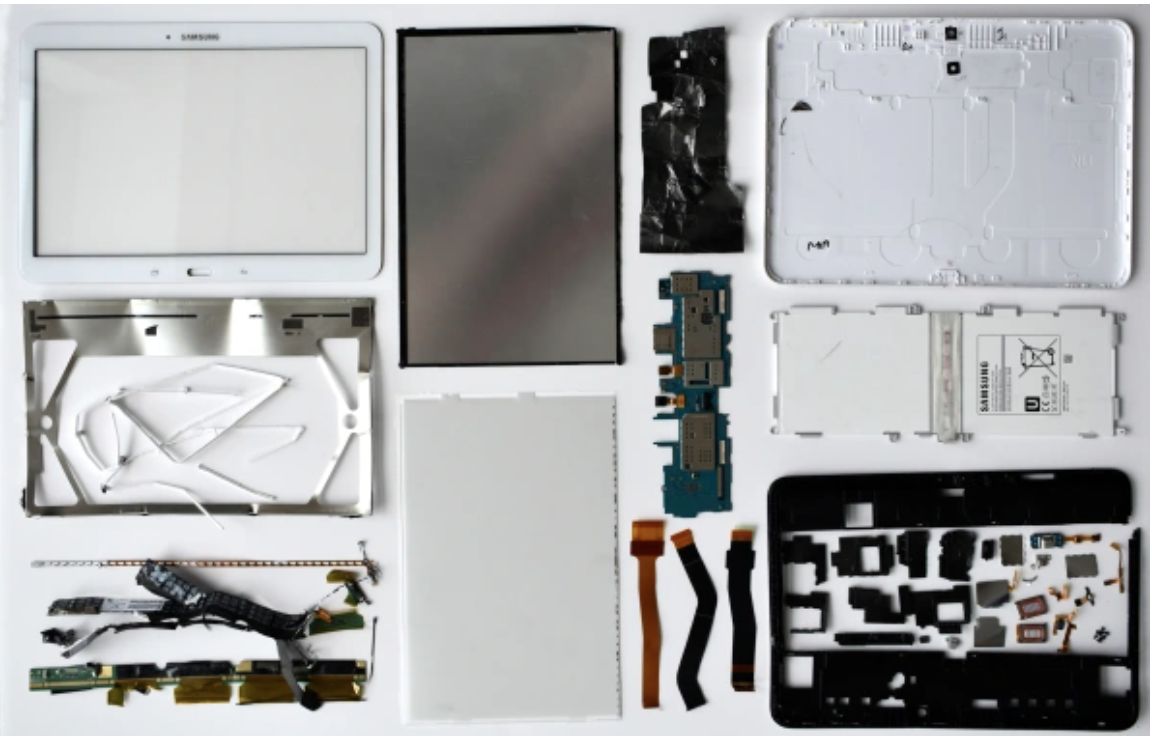
Electronics are lighter and more capable than ever, but that shift has not made e-waste simple for recyclers. A 2020 study in Resources, Conservation and Recycling dissected nearly 100 devices and modeled decades of U.S. product sales to show how the waste stream is changing—and why operators still face real risk. This post summarizes those findings and what they mean for R2 and electronics recycling programs. The research is external; Paradygm did not perform the teardowns.
Source study: doi.org/10.1016/j.resconrec.2020.105248
What the research found
U.S. household e-waste by weight has trended leaner as smartphones and flat-panel displays replaced bulkier desktops, CRT televisions, and single-purpose media players. Compact, multi-function devices cut mass in the discard stream—even while global e-waste overall continues to grow.
Recycling rates remain low. Only about a third of U.S. e-waste is recycled. Devices that end up in landfills can release hazardous substances over time, and valuable metals are lost when products are not recovered through responsible channels.
Lighter designs often make repair and recycling harder. Miniaturized parts, adhesives, and glued assemblies raise labor and processing costs. Lithium-ion batteries add fire risk in transport and at recycling facilities when they are hard to detect or remove. Critical minerals such as cobalt, indium, and rare-earth elements power the features consumers want, but commercial recovery of many of them is still difficult and rarely profitable at scale.
The same material intensity that makes mining costly also supports the case for urban mining: gold, silver, palladium, and other metals can be more concentrated in e-waste than in some natural ores, if systems exist to collect and process devices properly.
Implications for R2 and recycling operators
For facilities working under the R2 Standard, these trends reinforce practices that already sit at the center of a strong management system:
- Treat data sanitization and physical destruction as distinct controls, matched to media type and customer requirements—not as interchangeable labels
- Use certified recyclers and documented downstream vendors; lighter, complex products increase the cost of shortcuts and illegal stockpiling or abandonment
- Strengthen downstream due diligence: verify certificates, track where materials go, and watch for partners that cannot demonstrate real capability for batteries, plastics, and specialty fractions
- Stay aware of design-for-recycling gaps when scoping processes for smartphones, tablets, and other glued or battery-dense devices
Policy and collection systems matter too. State e-waste laws often focused on heavy CRT-era products; today’s stream is lighter but more complex. Convenient, responsible collection and operators who can handle modern batteries and materials help keep more electronics out of landfills and informal export channels.
Bottom line
E-waste that is leaner by weight is not automatically greener or easier to manage. Operators who verify partners, control data and physical destruction, and plan for lithium-ion and hard-to-recycle assemblies are better positioned as product design keeps changing. For more on how R2 frames destruction and sanitization terms, see our guide to electronics destruction operations.